

The Risk Compendium
Exploring the unseen patterns, connections and forces shaping future risk.
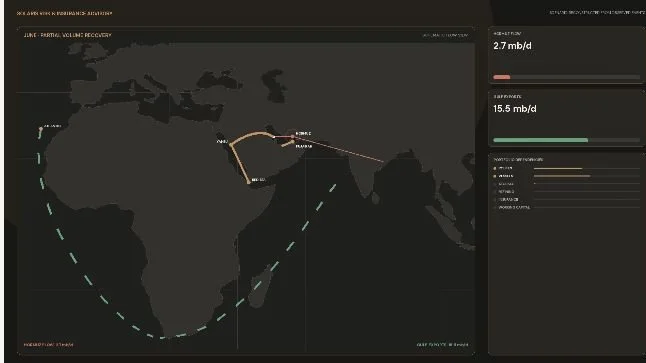
WHERE ADVANTAGE IS MOVING
The Hormuz shock reveals hidden insurance accumulation, shared failure paths and implications for underwriting, pricing, limits and portfolio strategy.
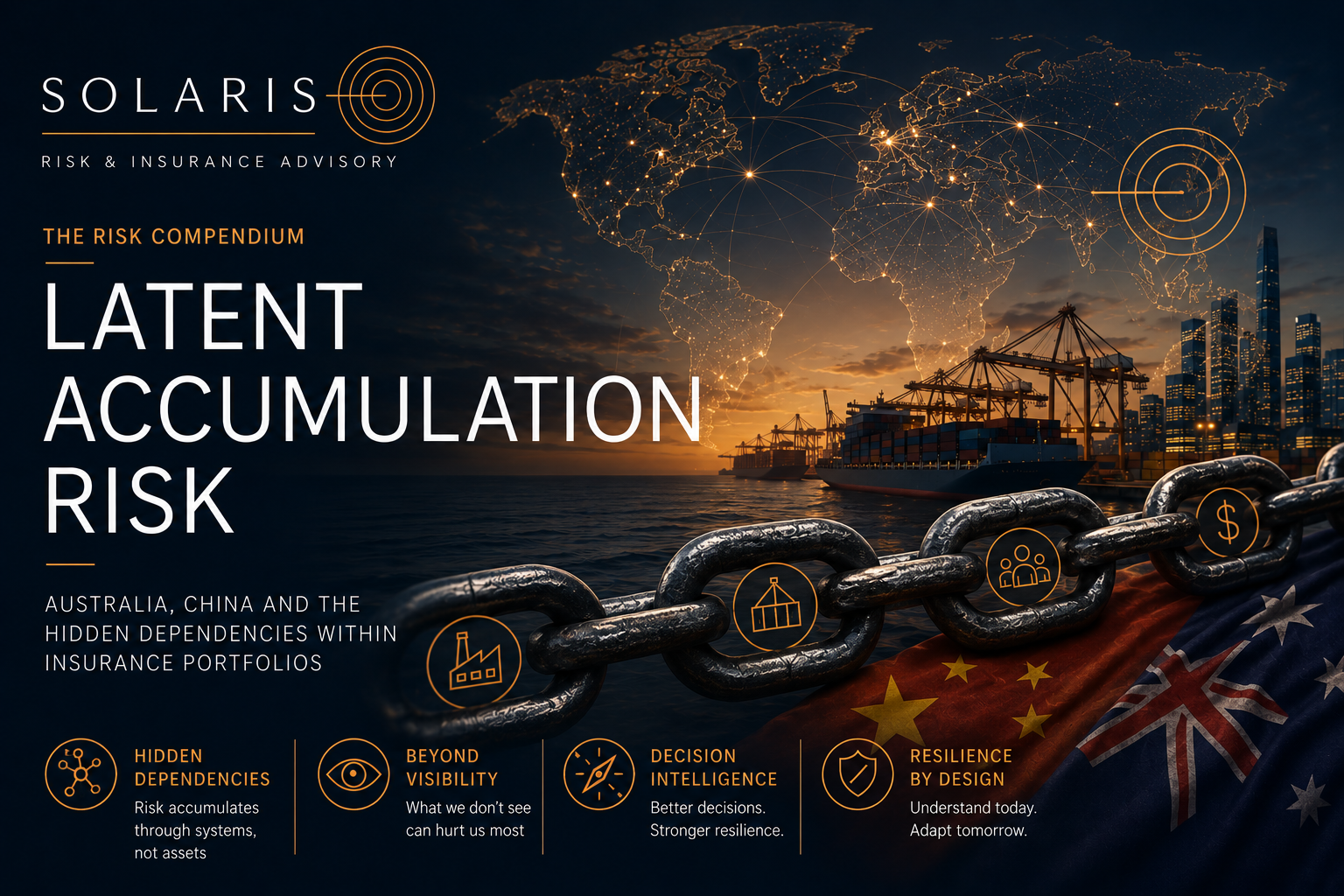
Latent Accumulation Risk
Australia's relationship with China has delivered significant economic benefits, but it has also created dependencies that extend far beyond trade. This edition of The Risk Compendium explores how hidden concentrations across supply chains, critical minerals, fuel security and infrastructure may be creating latent accumulation risk within insurance portfolios.
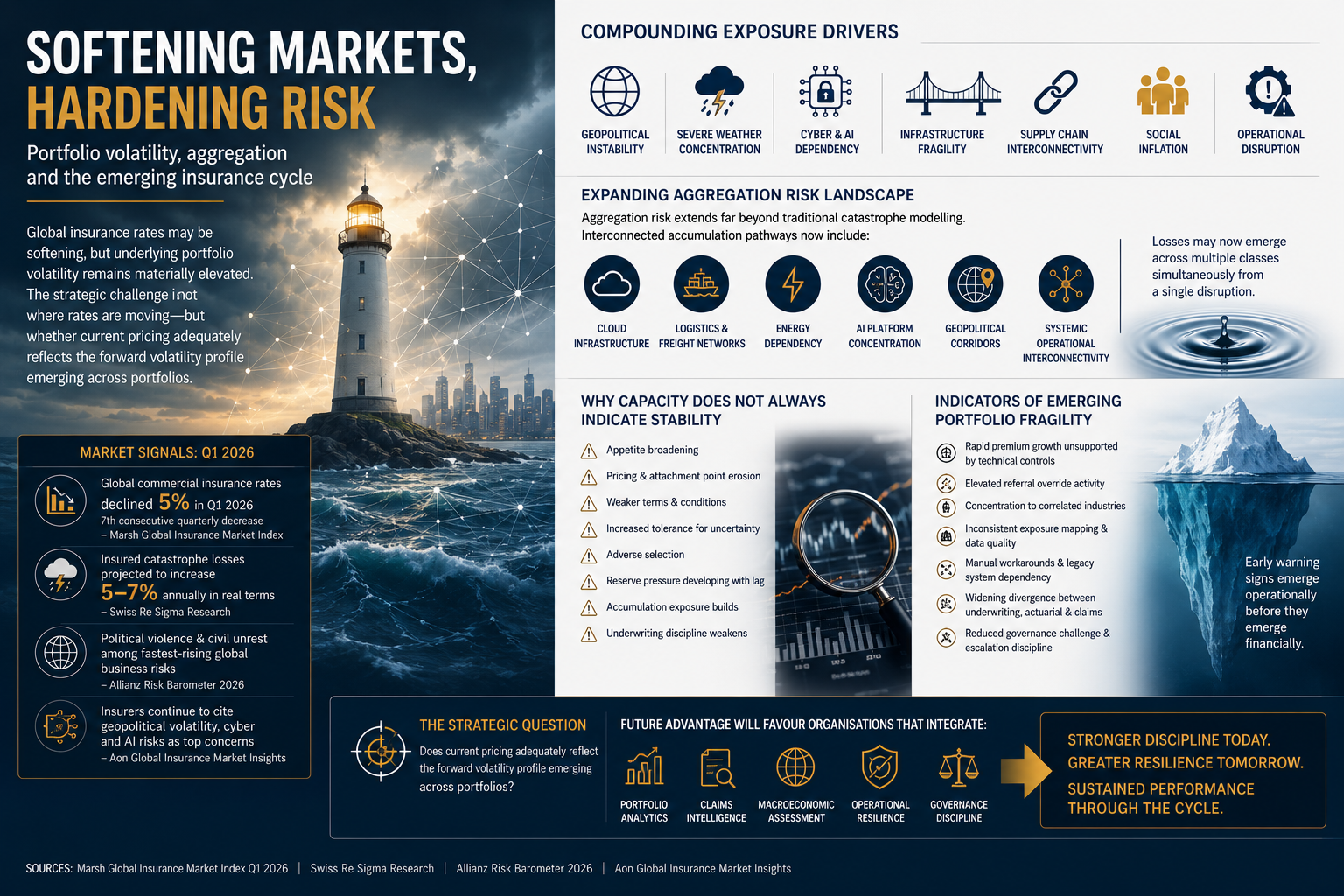
Softening Markets, Hardening Risk
Global insurance rates may be softening, but underlying portfolio volatility remains elevated. Explore aggregation risk, reserve pressure, operational fragility and emerging insurance cycle challenges shaping insurers in 2026.

Geopolitical shockwave settles into the real economy
Geopolitical tensions in the Middle East are now flowing through to Australian markets, driving higher fuel costs, supply chain pressure, and shifting insurance conditions. This insight explores the impact on energy, construction, exports and claims, and how insurers are responding through pricing, capacity and underwriting. It also examines how AI and technology are accelerating risk detection, claims handling and cyber exposure.

Insight 2: Wartime Risk: Insurance Exposure in Wartime Conditions
An examination of how geopolitical conflict reshapes insurance markets, including marine war risk, cyber warfare exclusions and systemic exposure.

Insight 1: Wartime Risk: Reading the Signals
An analysis of emerging wartime risk signals, geopolitical tension and how conflict indicators affect global markets, supply chains and insurance risk.

Insight 4: Wartime Risk:
Key questions insurers and risk leaders should consider as geopolitical tensions reshape supply chains, underwriting exposure and insurance policy design.

Insight 3:Historical Patterns: Winners and Losers in Wartime Economies
Historical patterns show how wartime economies shift demand across industries, creating growth in defence and energy while pressuring travel, tourism and services.
Wartime Risk: Insurance Signals in a Contested World
A series examining how geopolitical conflict reshapes industries, insurance markets and strategic risk exposure in an increasingly contested global environment.

What Does It Mean for an Organisation to Think Well?
What allows some organisations to maintain clear judgement in uncertain environments while others struggle? Drawing on behavioural science, organisational research and practical leadership experience, this insight explores the conditions that allow organisations to think well under pressure.
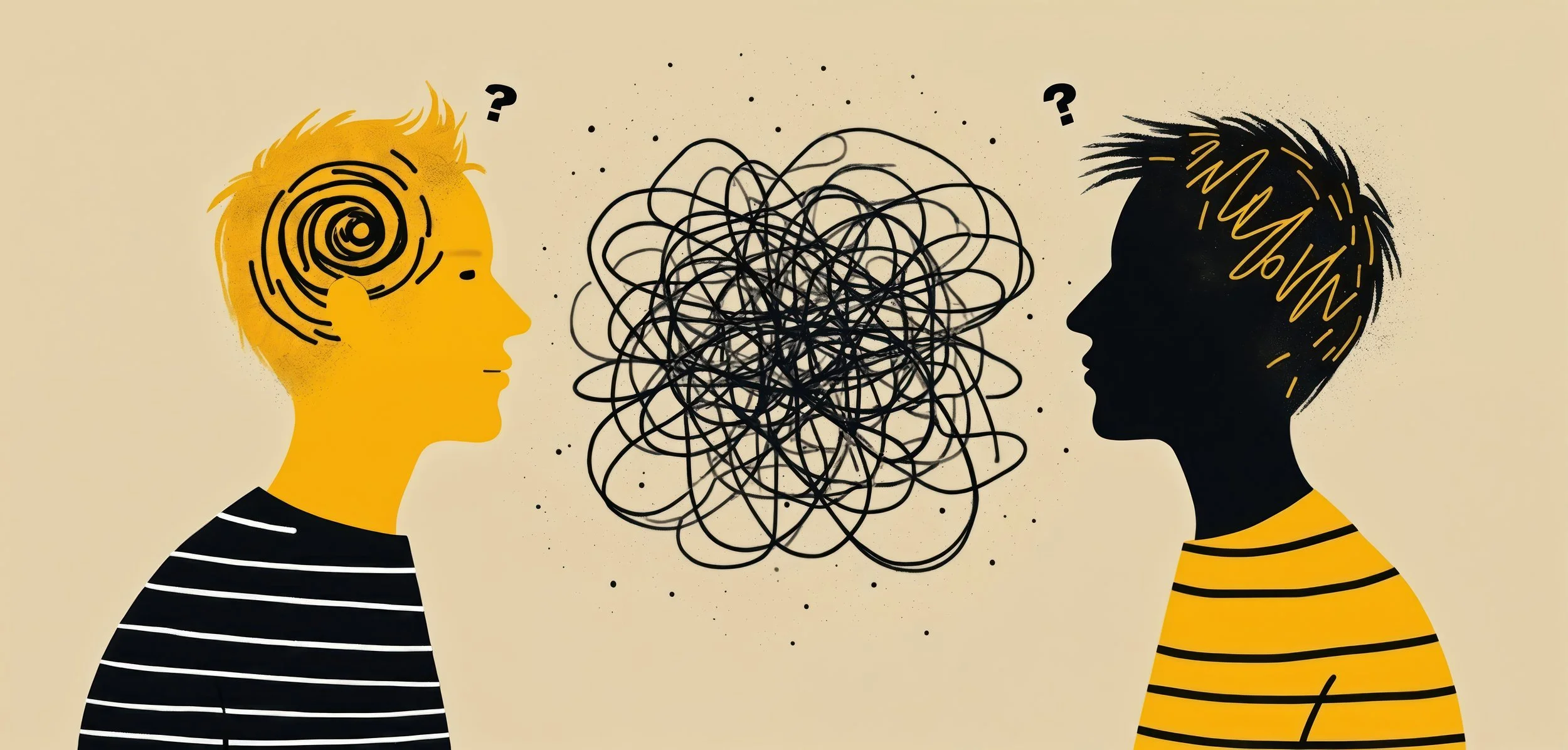
Thinking Well Through Volatility and Uncertainty
Volatility is increasingly the baseline condition for leadership. Yet the deeper challenge may not be responding faster to uncertainty, but ensuring organisations are structured to think well within it. In complex environments, the quality of decisions is shaped not only by information and analysis, but by leadership dynamics, governance structures and organisational culture. This insight explores why decision quality and risk culture are critical capabilities for navigating complexity and interpreting emerging signals.